
In the Tri-Cities area, where temperatures swing from scorching summers to chilly winters, having an efficient, reliable heating and cooling system isn’t just a luxury—it’s essential for year-round comfort. As homeowners and businesses seek smarter ways to control their indoor climate and keep energy costs in check, mini split HVAC systems have emerged as a versatile solution that addresses many standard heating and cooling challenges. At Apollo Heating and Air Conditioning, we help Tri-Cities residents discover the perfect climate control solution for their unique needs. While traditional HVAC systems have served us well for decades, technological advancements have opened the door to more flexible, efficient options—and mini split HVAC systems are leading the charge!
What is a Mini Split HVAC System?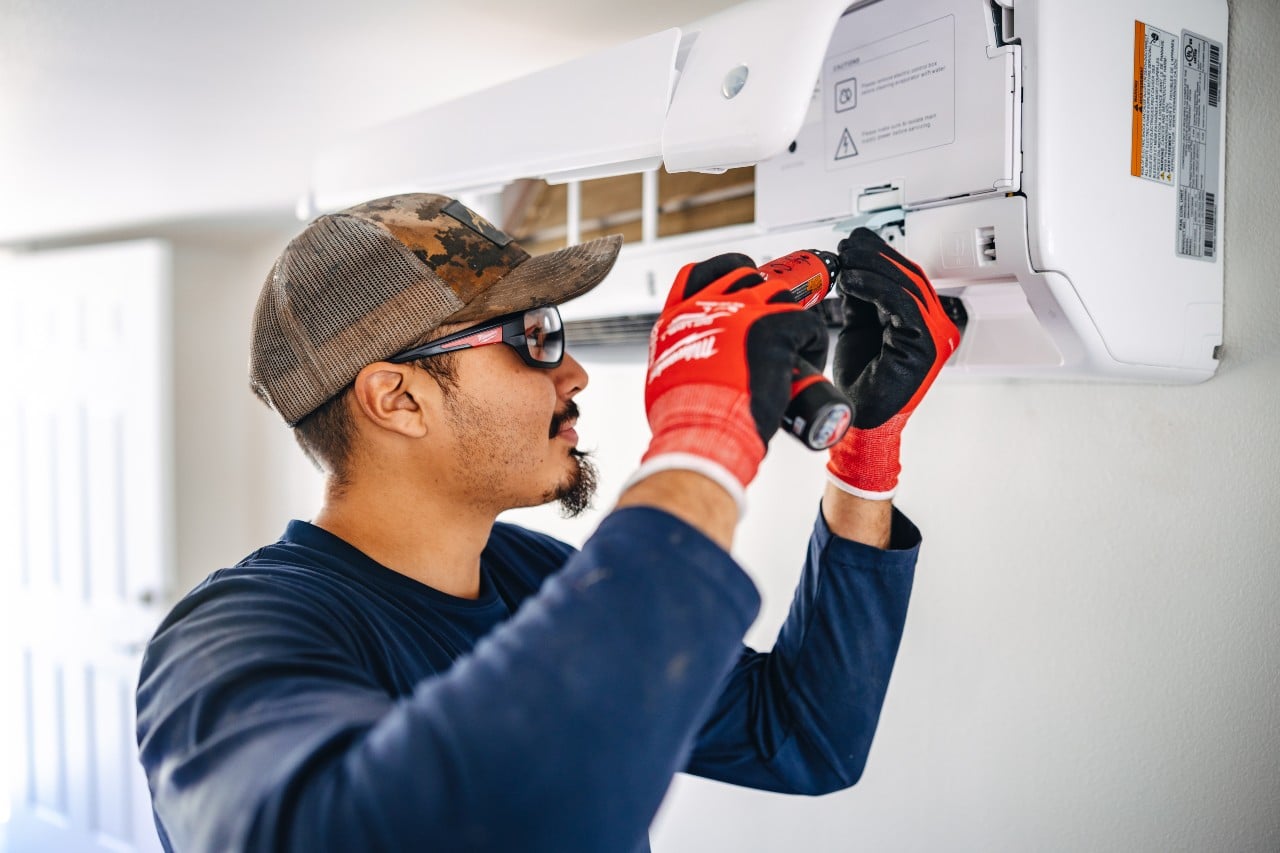
Conventional systems distribute air throughout your home via a network of ducts. However, mini-split HVAC systems take a different approach. They consist of two main components: an outdoor compressor/condenser unit and one or more indoor air-handling units. These components are connected by a conduit housing the power cable, refrigerant tubing, suction tubing, and a condensate drain.
What makes mini split HVAC systems particularly distinctive is their ductless design. Without the need for extensive ductwork, they can be installed in spaces where traditional systems would be impractical or prohibitively expensive. Each indoor unit creates its comfort zone, allowing for individualized temperature control throughout your home or business.
The applications for these systems are remarkably diverse. From historic homes where preserving architectural integrity makes ductwork installation challenging to modern office spaces requiring customized climate zones to home additions where extending existing ductwork would be cost-prohibitive—mini splits offer an elegant solution to a wide range of cooling and heating scenarios.
The Compelling Benefits of Mini Split Systems
When it comes to energy efficiency, mini split HVAC systems shine. By eliminating ductwork, where up to 30% of energy consumption can be lost due to leaks and poor insulation, mini splits deliver conditioned air directly to the spaces where it’s needed. This targeted approach translates to significant energy savings and reduced utility bills over the system’s lifetime.
1. Significant Zoning Capabilities
Another significant advantage of mini splits is their zoning capabilities. Traditional systems often heat or cool your entire home to maintain comfort in just one or two rooms. Alternatively, mini split systems allow you to create independent temperature zones, meaning you can keep your home office or bedroom toasty in the winter while allowing less-used spaces to remain cooler—or vice versa during summer.
2. Increased Installation Flexibility
Installation flexibility is another compelling reason why mini split HVAC systems have gained such popularity. Indoor air handlers can be mounted on walls, suspended from ceilings, or even installed as standing units. This versatility is ideal for room additions, garage conversions, or other spaces where extending ductwork is challenging.
3. Remarkable Noise Reduction
Mini split outdoor components operate at sound levels similar to traditional condensers. However, the indoor air handlers typically run at just 19 to 30 decibels—quieter than a whispered conversation. For bedrooms, home offices, or other spaces where noise disruption is a concern, mini splits offer a peaceful alternative to the periodic rumble of forced-air systems.
How Mini Splits Compare to Traditional HVAC Systems
Several key differences emerge when evaluating mini split HVAC systems against their traditional counterparts.
1. Initial Costs
The initial installation cost of a mini split system typically exceeds that of a comparable central air system—however, this comparison doesn’t tell the whole story. Adding ducts for a traditional system can increase costs dramatically for homes without existing ductwork, making mini splits the more economical choice.
2. Energy Efficiency and Long-Term Costs
In terms of long-term expenses, mini splits generally have the advantage. Their higher energy efficiency ratings—often 20 SEER (Seasonal Energy Efficiency Ratio) or above, compared to 14-16 SEER for many central air systems—translate to lower monthly utility bills. Increased zoning capabilities also mean you’re not paying to condition unused spaces!
3. Cold Climate Performance
Performance in extreme climates is another consideration in the Tri-Cities, and modern mini split HVAC systems have made tremendous strides in cold-weather performance. Many models now operate efficiently at temperatures well below freezing, making them viable year-round climate solutions, even in the harsh Washington winters.
4. Maintenance Requirements
While both require regular attention to operate at peak efficiency, maintenance requirements differ between these system types. Mini splits eliminate the need for duct cleaning and sealing. However, each indoor unit has filters that require more frequent cleaning than a central system’s single filter.
The Installation Process: What to Expect
Installing a mini split HVAC system is far less invasive and time-consuming than adding a traditional ducted system. Depending on the number of indoor units being installed, the process can be completed in just one to two days for most residences. The first step involves determining the optimal locations for both indoor and outdoor units. Our Apollo technicians consider factors like room size, window and door placement, insulation levels, and aesthetic preferences when making recommendations to maximize performance and visual integration with your space.
Installation begins with mounting brackets for the indoor units and creating small openings through exterior walls to accommodate the conduit. The outdoor unit is placed on a concrete pad or mounted on brackets attached to the home’s exterior wall. Refrigerant lines are then connected, electrical connections are established, and the system is thoroughly tested. One of the greatest advantages of mini split HVAC systems during installation is the minimal disruption to your home; without the need to open walls or ceilings to install ductwork, mess and costs are significantly reduced.
Keeping Your Mini Split Running Smoothly: Maintenance Tips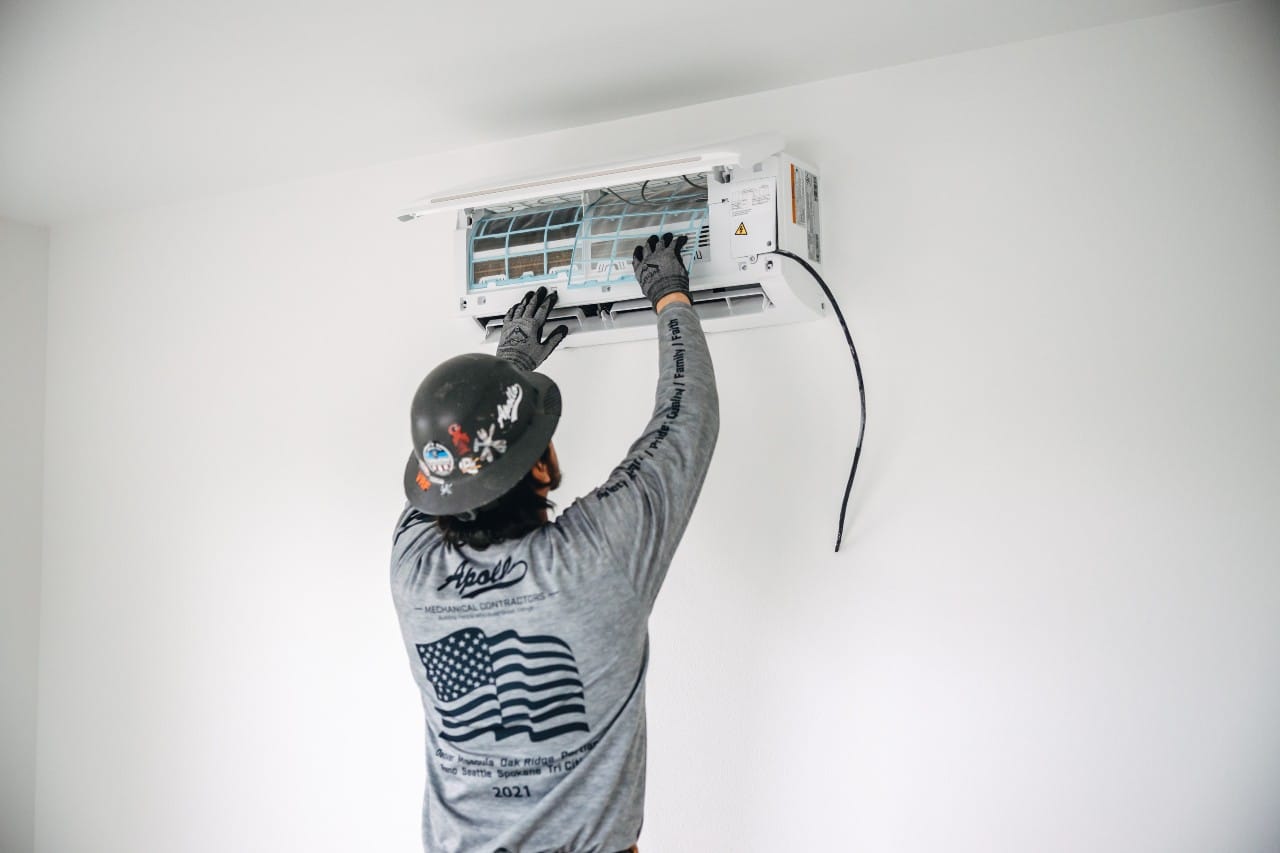
Regular maintenance is essential to ensure your mini split system delivers peak performance throughout its 15-20 year expected lifespan. The most critical routine maintenance task is cleaning the filters in each indoor unit, which is manageable for most homeowners. Unlike central systems, where filters should be changed every few months, mini split filters typically need monthly cleaning rather than replacement.
The process is straightforward: remove the filter according to the manufacturer’s instructions, gently vacuum or rinse with mild soapy water, allow it to dry completely, and reinstall. Additionally, keep the outdoor unit clear of debris. Leaves, twigs, dirt, and other environmental materials can accumulate around the condenser, reducing airflow and efficiency. A gentle rinse with a garden hose (never a pressure washer) and clearing vegetation within a two-foot radius help maintain optimal operation.
While most homeowners can handle these basic tasks, annual professional maintenance is still recommended for mini split HVAC systems. A qualified technician checks refrigerant levels, inspects electrical components, cleans coils, and ensures all aspects of the system are operating correctly, potentially identifying minor issues before they become costly problems.
Is a Mini Split System Right for Your Tri-Cities Home or Business?
Understanding where mini split HVAC systems truly shine can help you decide on the best climate solution for your needs. Mini splits are particularly well-suited for:
- Homes without existing ductwork
- Additions to homes with existing HVAC systems
- Spaces requiring zoned temperature control
- Rooms that are consistently too hot or too cold
- Historic homes where preserving architectural features is important
- Outbuildings like workshops, garages, or guest cottages
- Multi-family dwellings where individual climate control is desired
Economically, the cost-benefit analysis generally favors mini splits when ductwork would otherwise need to be installed or extensively modified. The equipment costs more than traditional systems, but the elimination of ductwork installation and long-term energy savings often results in more financial savings over the system’s lifespan.
Energy rebates and incentives could further improve the financial picture. Many utility companies offer rebates for installing high-efficiency mini split HVAC systems, potentially reducing your initial investment significantly. At Apollo Heating and Air Conditioning, our team stays up-to-date on available incentive programs and can help you navigate the opportunities that could apply to your home.
Making the Right Choice for Your Comfort Needs
When it comes to climate control in the Tri-Cities region, there’s no one-size-fits-all solution – every home is different! The right system for your home or business depends on your specific needs, preferences, and property characteristics. At Apollo Heating and Air Conditioning, we pride ourselves on taking the time to understand each customer’s unique situation before recommending any HVAC solution.
Our experienced technicians can assess your space, discuss your comfort priorities and budget considerations, and help you determine whether a mini split HVAC system or alternative approach would best serve your needs. With decades of experience serving the Tri-Cities community, we’ve developed the expertise to match homeowners with the perfect climate control solution—whether that’s a mini split, traditional system, or hybrid approach.
How Apollo Heating and Air Conditioning Can Help
Are you interested in the flexibility, efficiency, and comfort that mini splits HVAC systems offer? Apollo Heating and Air Conditioning is here to help! Our team is ready to answer your questions, provide a detailed assessment of your space, and help you decide on the best way to keep your home comfortable year-round. Contact Apollo Heating & Air today for expert installation and personalized recommendations tailored to your Tri-Cities home or business!