A heater never quits at a convenient moment. It waits for the coldest night of the winter, right when the wind off the Columbia River cuts a little sharper. And that’s when everything goes silent.
In the Tri-Cities, winter temperatures can drop into the teens, and homes lose heat fast. According to the National Weather Service, the region saw multiple nights below 20°F last winter, conditions where indoor temperatures can fall to unsafe levels in just a few hours.
Acting quickly and safely matters. In this guide, you’ll learn:
- What to check first when your heater suddenly stops working
- The most common causes of emergency heater failures
- Warning signs that signal a bigger (and potentially dangerous) problem
- What not to do when your system won’t turn on
- When it’s time to call a professional for emergency heater repair
- Steps you can take now to prevent future breakdowns or the need for emergency repairs
Basic Troubleshooting You Can Safely Do for Emergency Heating Repair
When your heater suddenly stops working, the first instinct is panic. But before calling for emergency heater repair, there are a few quick, safe checks that can either solve the problem or help narrow down what’s going on.
Check Your Thermostat First
Start with the simplest fix. Make sure the thermostat is set to HEAT, the temperature is a few degrees above the room temperature, and the fan is set to AUTO.
If the screen is blank or fading, swap in fresh batteries. A quick reset, turning it off for 30 seconds and then back on, can also wake up an unresponsive unit.
Look for a Tripped Breaker
Head to your electrical panel and check for a tripped breaker labeled furnace, HVAC, or heater. Flip it fully OFF, then ON again.
If it trips immediately a second time, do not keep resetting it. This points to an electrical issue that needs a technician right away.
Check the Furnace Switch
This switch looks like a normal light switch and is usually mounted near the furnace.
People bump it accidentally all the time when moving storage bins or tools. Make sure it’s set to ON.
Inspect and Replace the Air Filter
A dirty air filter is one of the most common reasons a heater shuts down. If the filter looks gray, dusty, or clogged, swap it out.
Some furnaces overheat and shut off as a safety measure when airflow is restricted. A quick filter change often gets things running again.
Make Sure Vents and Registers Are Open
Walk through your home and confirm that vents aren’t blocked by furniture, rugs, or closed dampers.
Blocked airflow can cause temperature swings, overheating, or complete shutdown.
Common Emergency Heater Problems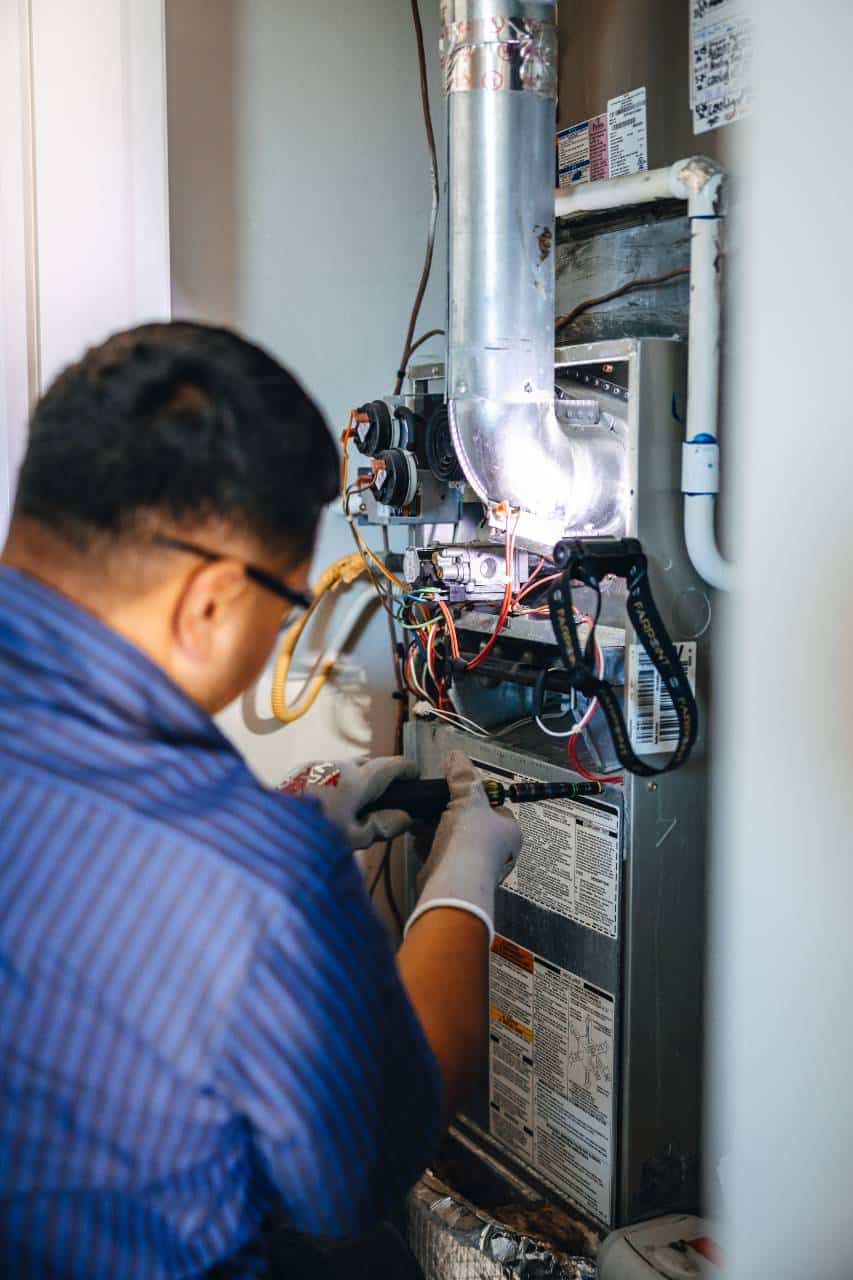
If the basic checks don’t bring your heat back, the issue is likely coming from a component inside the furnace or heat pump.
These are the problems HVAC system emergency services technicians see most often during Tri-Cities cold snaps, especially when systems run nonstop for days.
Ignitor or Flame Sensor Failure
Gas furnaces rely on an electronic ignitor to light the burner and a flame sensor to confirm that the flame is stable.
When either part cracks, wears out, or gets coated in buildup, the furnace shuts itself down for safety. If the heat never “kicks on,” or you hear the system trying repeatedly to start, these are common culprits.
Thermostat Malfunctions
A thermostat that sends the wrong signals (or none at all) can stop the system entirely.
This can be caused by wiring issues, dust inside older thermostats, dead batteries, or software glitches in smart thermostats.
Blower Motor or Fan Problems
If the furnace is heating but the house still feels cold, warm air may not be circulating.
Worn blower motors, seized bearings, loose belts, or failed capacitors can keep the fan from moving air through the ducts.
Tripped Limit Switches
A clogged filter or blocked vent can cause the furnace to overheat. When this happens, a safety switch shuts the system down to prevent damage.
Most limit switches must cool down before resetting. And if the underlying issue isn’t fixed, they’ll trip again.
Fuel or Power Supply Issues
Gas furnaces won’t run if a gas valve is off, pressure drops, or the utility supply is interrupted.
Electric heaters and heat pumps can fail due to bad relays, failing control boards, loose wiring, or shorted components.
Dirty Components and General Buildup
During long heating seasons, dust and debris accumulate on burners, coils, flame sensors, and internal electrical contacts.
This buildup forces the system to work harder and often triggers safety shutdowns.
Red Flags You Should Not Ignore During a Heating Emergency
Some heater symptoms are warnings that something inside the system may be unsafe. When you notice any of the signs below, stop troubleshooting and treat it as an emergency.
Unusual Smells
A furnace should never produce strong odors. If you notice any of these, shut the system off:
- Burning or electrical smells: Possible wiring damage or overheating components
- Sharp metallic odor: Failing motor or blower issues
- Rotten egg smell: A potential natural gas leak (leave the home immediately and call the gas company)
Loud, Sudden, or Strange Noises Coming Unexpectedly
Heaters make noise, but they should never make:
- Banging or popping
- Grinding or screeching
- Loud rattling
These sounds can signal cracked heat exchangers, loose parts, failing motors, or ignition problems. Issues that get worse quickly if the system keeps running. It could be an electrical problem or urgent situation.
Cold Air Coming From the Vents
If the blower is running but the air is cold, something is preventing the furnace from heating. This can point to:
- Ignition failure
- Fuel supply issues
- Heat exchanger problems
- Safety lockouts
Cold air blowing during a freeze is a sign to call an emergency technician immediately.
Rapid Cycling or Sudden Shutdowns
If the heater turns on and off every few minutes (or shuts down before reaching the set temperature), the system could be overheating or dealing with an electrical issue.
Visible Water, Leaks, or Soot
Water around the base of the furnace, excessive condensation, or dark soot buildup should be treated as urgent.
These can indicate clogged drains, cracked components, or combustion problems.
What Not to Do During a Heater Emergency
When the heat goes out, it’s natural to want to fix it fast. But certain actions can create safety risks or turn a minor issue into a major repair. Here’s what to avoid.
Don’t Attempt DIY Electrical or Gas Repairs
Opening sealed furnace panels, resetting wiring, or bypassing safety switches is dangerous. These systems are built with layered protections, and interfering with them can lead to electric shock, fire hazards, or permanent equipment damage.
If the problem appears electrical or gas-related, stop and call a professional.
Don’t Relight a Pilot Light Without Knowing the Proper Steps
Older furnaces may still use a standing pilot light. If you’re not familiar with the manufacturer’s instructions, guessing your way through the process can allow gas to accumulate, creating a risk of delayed ignition.
When in doubt, leave the system off and wait for a trained technician.
Don’t Force the System to Run
Avoid repeatedly flipping breakers, cranking the thermostat to extreme temperatures, or trying to move mechanical parts manually.
These actions can worsen the underlying issue and often void manufacturer warranties.
Don’t Use Unsafe Heat Sources Indoors
If your home is getting cold quickly, resist the urge to improvise. Ovens and fuel-burning devices aren’t safe alternatives and can introduce carbon monoxide or fire hazards.
Stick to space heaters designed for indoor use, and keep them on stable surfaces away from flammable materials.
Don’t Ignore Odors, Noises, or Smoke
Any smell of burning, electrical odor, loud banging, or visible smoke is a clear signal to shut the system down.
Continuing to run a furnace under those conditions can cause further damage and put your home at risk.
When It’s Time to Call Emergency Heating Repair Services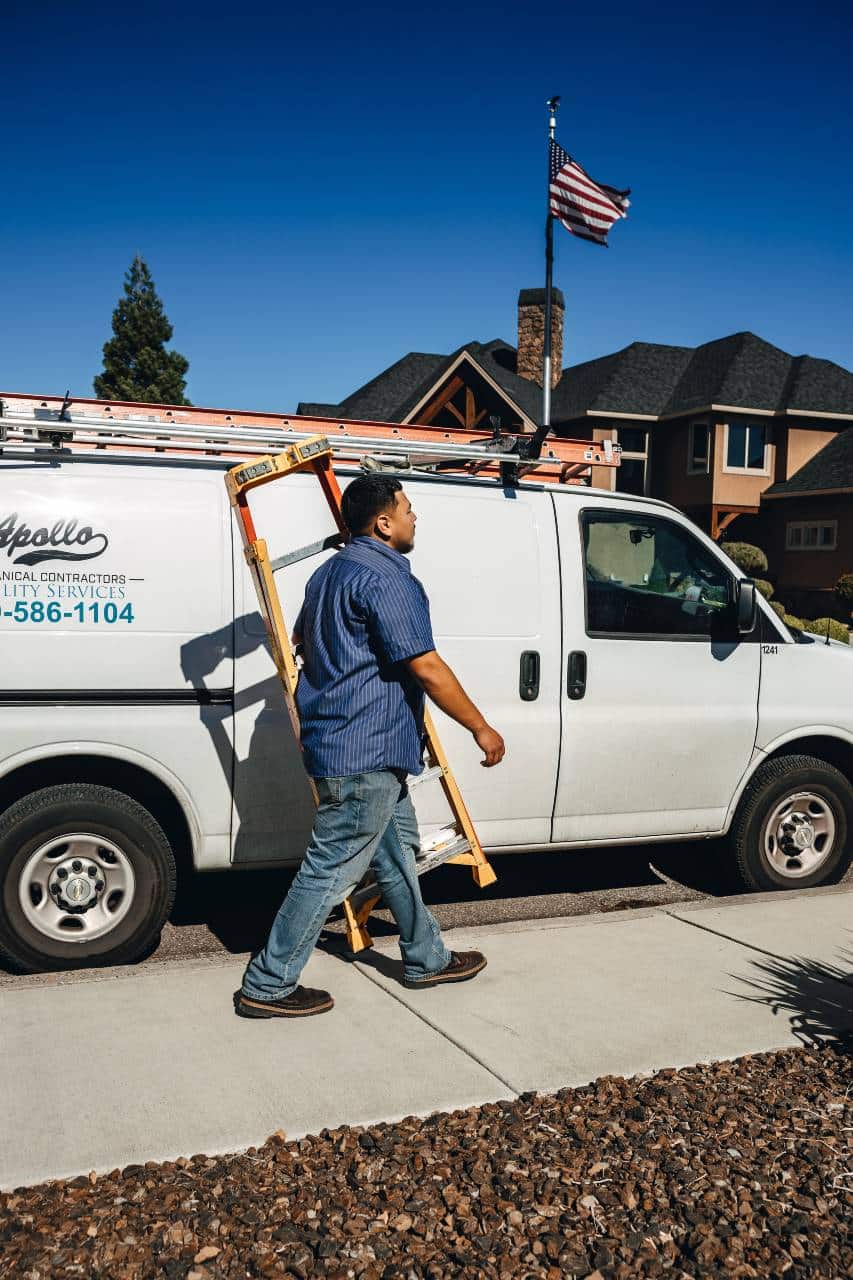
If you’ve checked the basics and your heater still won’t start, or it’s behaving unpredictably, it’s safer to bring in a professional.
Heating systems have multiple safety layers for a reason, and once those protections start tripping, the underlying issue often requires tools and training most homeowners don’t have.
A licensed emergency HVAC service technician can diagnose electrical failures, ignition problems, and airflow issues without putting you or your equipment at risk. More importantly, they can stop small problems from becoming costly, system-wide damage.
In freezing weather, waiting too long increases the chance of frozen pipes, heat loss, and added strain on the system. You should call an emergency heater repair technician right away if:
- The system won’t turn on after thermostat, breaker, and filter checks
- You smell gas, burning, electrical odors, or notice any other sign of gas
- The heater shuts off repeatedly, blows cold air, or inconsistent heating
- Breakers trip immediately when reset
- You hear loud bangs, grinding, or unusual mechanical noises
- The furnace runs, but temperatures inside continue to drop
- You see water around the unit or soot buildup near the burners
Taking the Right Steps When the Heat Goes Out
A broken heater never happens at a good time, but knowing what to check (and when to stop troubleshooting) keeps you safe and helps narrow down what’s going on.
Simple steps like verifying thermostat settings, checking your breaker panel, or replacing a clogged filter can solve minor issues. Beyond that, unusual smells, loud noises, repeated shutdowns, or cold air from the vents are all signs it’s time to pause and call in a professional.
When you’re dealing with no heat in the middle of winter, fast help matters. Apollo Heating & Air has professional help and technicians on call for immediate attention, fully stocked service vehicles, and decades of experience working on the systems Tri-Cities homes rely on. From accurate diagnostics to safe, reliable repairs, our team restores comfort quickly and helps prevent bigger problems down the road.
Heater stopped working? Get fast, reliable emergency furnace repair services from Apollo Heating & Air and restore comfort to your home today. Contact us now!